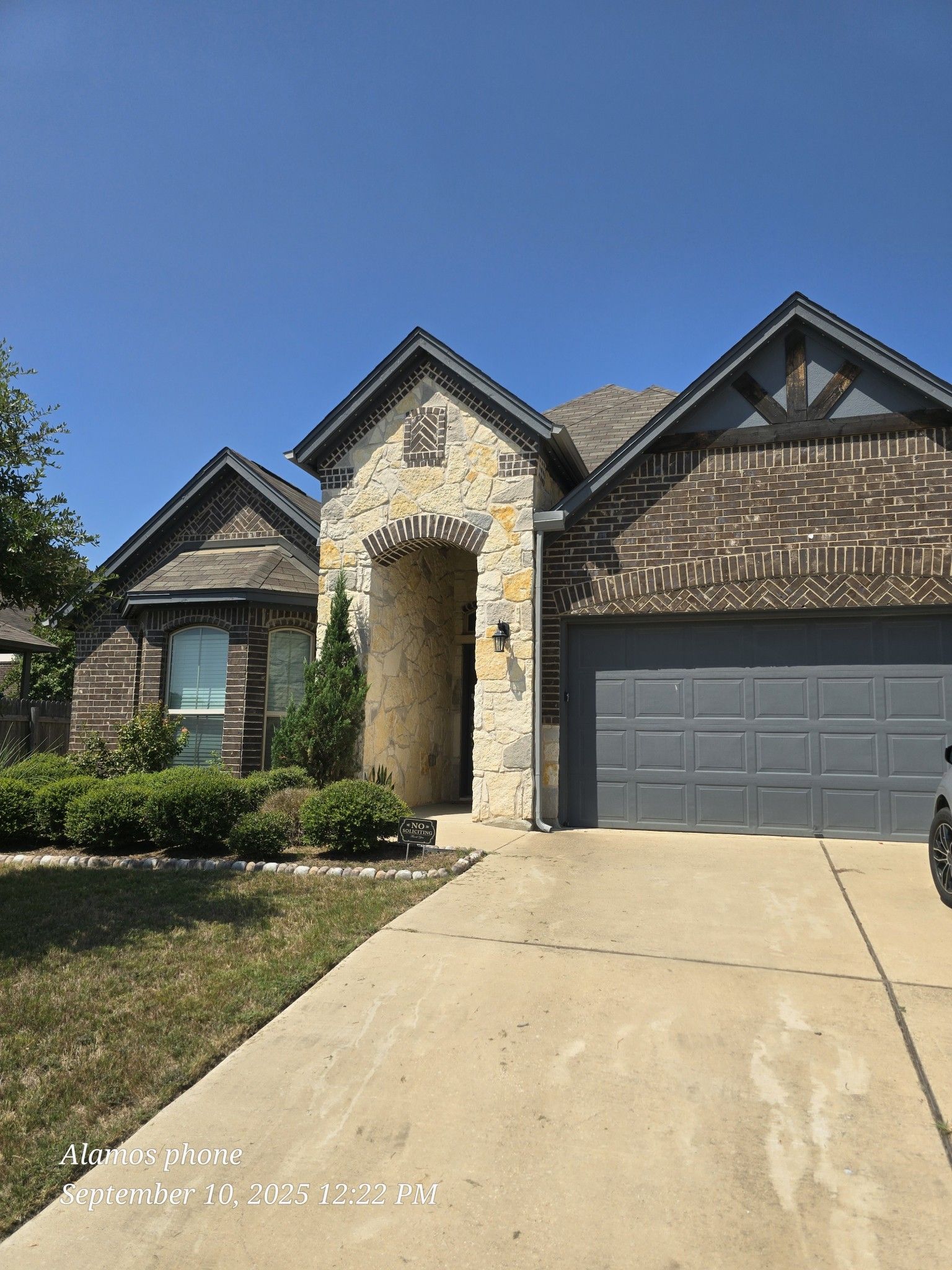
Is Your Austin Fence Surviving Central Texas Ground Movement?
When dealing with Austin's expansive Blackland Prairie clay, fence posts face a challenge that most fence installations don't account for: the soil swells when wet and shrinks when dry, generating lateral pressure on posts that loosens concrete footings and gradually shifts fence lines out of level. On Austin properties east of MoPac where Blackland clay is most prevalent, fence posts set in undersized concrete footings develop lean within two to three wet-dry cycles.
Heritage Home Services installs fencing throughout Austin, from the established neighborhoods near Rundberg and North Loop to new construction in the Mueller development area and East Austin. We set posts in tube-form concrete extended below Austin's active clay zone, and space boards with expansion gaps that account for the thermal movement of cedar and pine across Austin's temperature range — which can swing 70°F between winter lows and summer peaks.
Austin homeowners dealing with leaning posts, warped boards, or nails popping through fence faces are experiencing the predictable result of installation methods that didn't account for local soil and climate. Schedule your free fencing assessment and find out what the right installation approach looks like for your property.
How Austin Fencing Adapts to Central Texas Soil and Climate
Austin's combination of expansive clay soil, intense UV, and wide temperature cycling creates specific demands on fence construction that generic installation practices don't address. Heritage Home Services works through those site-specific factors on every Austin project.
- Post footings dug to 36 inches in Austin's Blackland clay areas — shallower footings sit within the active shrink-swell zone and lose their hold within seasons
- Tube-form concrete pour that creates a collar above grade — prevents surface water from channeling down the post and softening the footing over time
- Board spacing set for cedar's 1.5-2% thermal expansion across Austin's temperature range — tight installation closes gaps completely in summer and forces boards to cup
- Stainless or hot-dipped galvanized fasteners throughout — zinc coatings without full galvanization rust visibly on Austin fences within two rainy seasons
- Cedar grade selection for knot placement — large edge knots are the most common Austin fence board split point in the first summer heat cycle
Schedule your Austin fencing consultation and get a written assessment of what proper installation requires for your specific property, soil, and privacy needs.