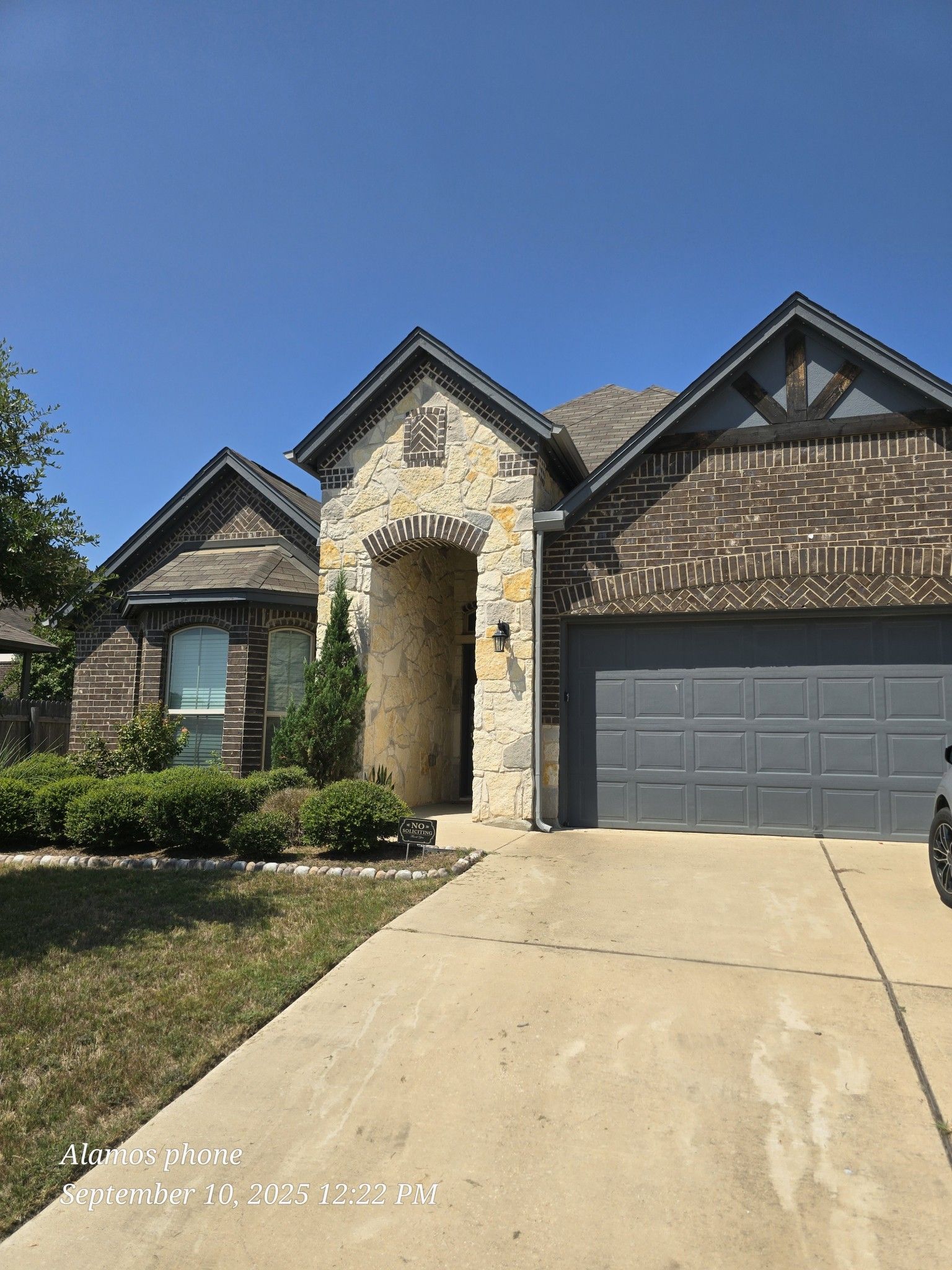
Restoring Protection After Severe Weather Events
Storm Damage Restoration in Round Rock for roofs impacted by hail, wind, or debris
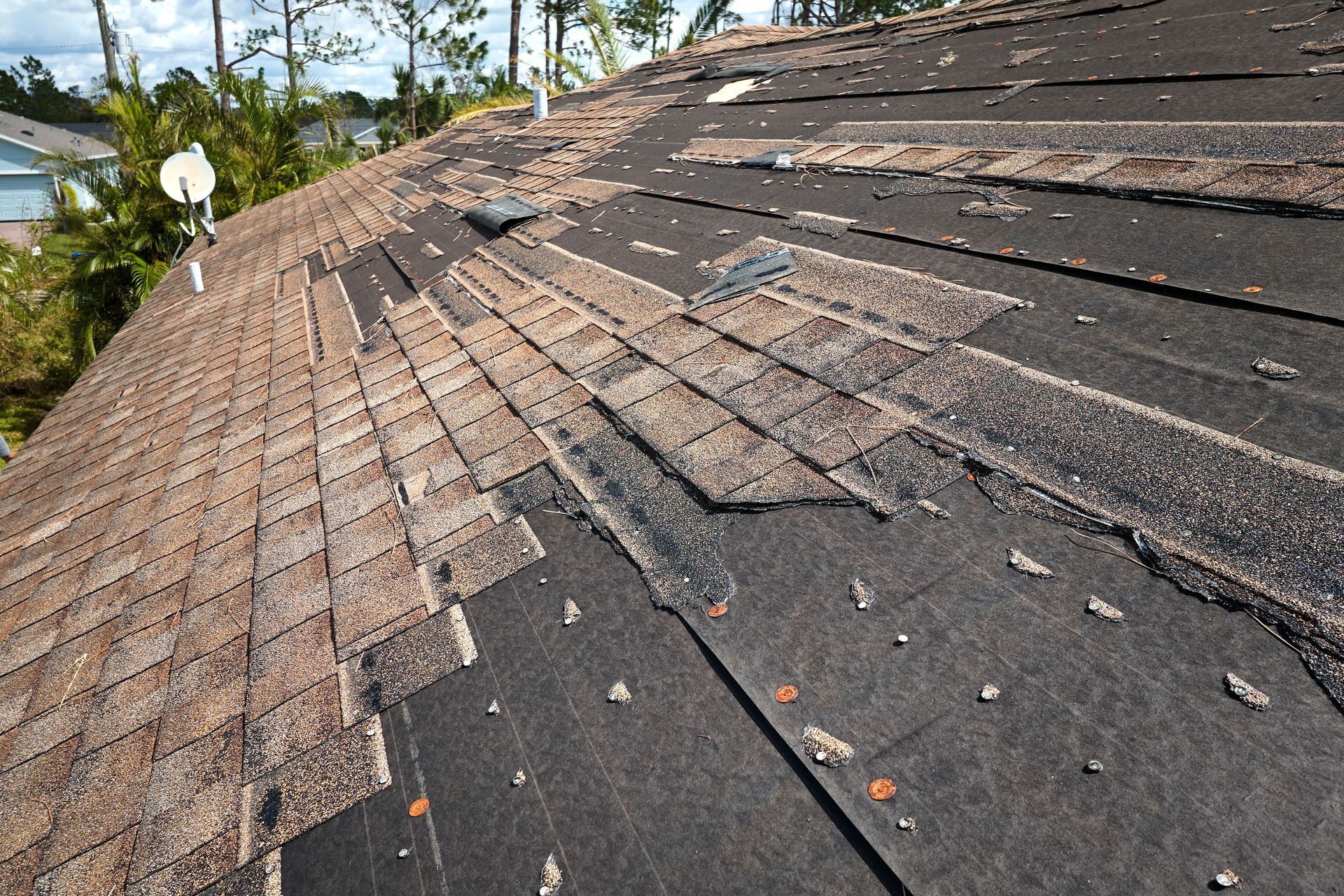
Hail larger than one inch can fracture shingle tabs and dislodge granules that protect the asphalt layer from UV degradation, while straight-line winds exceeding sixty miles per hour lift shingle edges and tear flashing loose from valleys and ridges. Heritage Home Services addresses storm damage restoration throughout Round Rock, documenting impact patterns that insurance adjusters need to see and completing repairs that restore your roof's weatherproof integrity. You call for an assessment after any severe weather event that leaves visible damage or when neighbors report filing claims for similar issues.
Storm damage assessment involves photographing hail strikes on shingles, measuring impact density per square, checking for wind-lifted tabs and exposed fasteners, and documenting damage to vents, flashing, and gutters that occurred during the same event. This documentation supports insurance claims by providing evidence of storm-related damage rather than wear from age or maintenance neglect.
Schedule a property evaluation within weeks of the storm to document damage before weather exposure obscures impact evidence that adjusters rely on during claim reviews.
What Proper Storm Damage Assessment Requires
Identifying storm damage requires distinguishing fresh impact fractures from aging deterioration—hail strikes create circular bruises with sharp edges and exposed substrate, while aging wear shows gradual granule loss and surface cracking without defined impact points. Wind damage appears as lifted shingle edges with broken sealant bonds, missing tabs, or entire sections torn away where uplift forces exceeded fastener strength. Trained inspectors also check less obvious areas like ridge caps, pipe boots, and dormer flashing where wind and hail often cause damage that homeowners miss during ground-level inspections.
After documentation, contractors work directly with your insurance adjuster to review findings and agree on repair scope, submit detailed estimates that match claim approvals, and complete restoration work that returns your roof to pre-storm condition. You receive a roof that passes inspection, satisfies insurance requirements, and comes with workmanship warranties covering the restoration itself.
Storm damage claims often cover full replacement when impact density meets insurance thresholds, typically eight or more strikes per hundred square feet in a test area, or when wind damage affects enough of the roof that repairs would create a patchwork appearance inconsistent with surrounding sections. The claim process includes depreciation recovery once work is completed and inspected.
Questions Before Starting Your Project
Homeowners dealing with storm damage have specific concerns about insurance processes, timing, and whether documented damage qualifies for claim approval.
How soon after a storm should I file a claim?
Most insurance policies require notification within one year of the damage event, but filing within thirty to sixty days preserves fresh evidence and ensures contractors can still obtain matching materials before manufacturers discontinue color lots.
What if the adjuster and contractor disagree on damage extent?
Reputable contractors provide supplemental documentation including additional photos and measurements to support their assessment, and insurers often send a second adjuster or allow an independent umpire to resolve disputes when initial estimates differ significantly.
Will filing a storm claim raise my insurance rates?
Storm damage claims are typically considered no-fault events in Texas, and rate increases depend more on regional loss patterns than individual claims, though you should confirm your policy's specific language with your agent before filing.
What's the difference between recoverable depreciation and actual cash value?
Insurance initially pays actual cash value minus depreciation based on your roof's age, then pays recoverable depreciation after you submit proof of completed repairs and final invoices, making it important to understand both figures when planning project financing.
Can I choose my own contractor for storm restoration work?
Texas law allows homeowners to select contractors independent of insurance recommendations, and you benefit from choosing contractors familiar with Round Rock building codes, local permit requirements, and documentation standards that satisfy claim adjudication processes.
Heritage Home Services manages storm damage projects from initial assessment through claim documentation and final restoration, coordinating with adjusters and providing the detailed records insurers require. Contact our team to discuss your storm damage concerns and receive guidance on claim filing procedures and restoration timelines.